
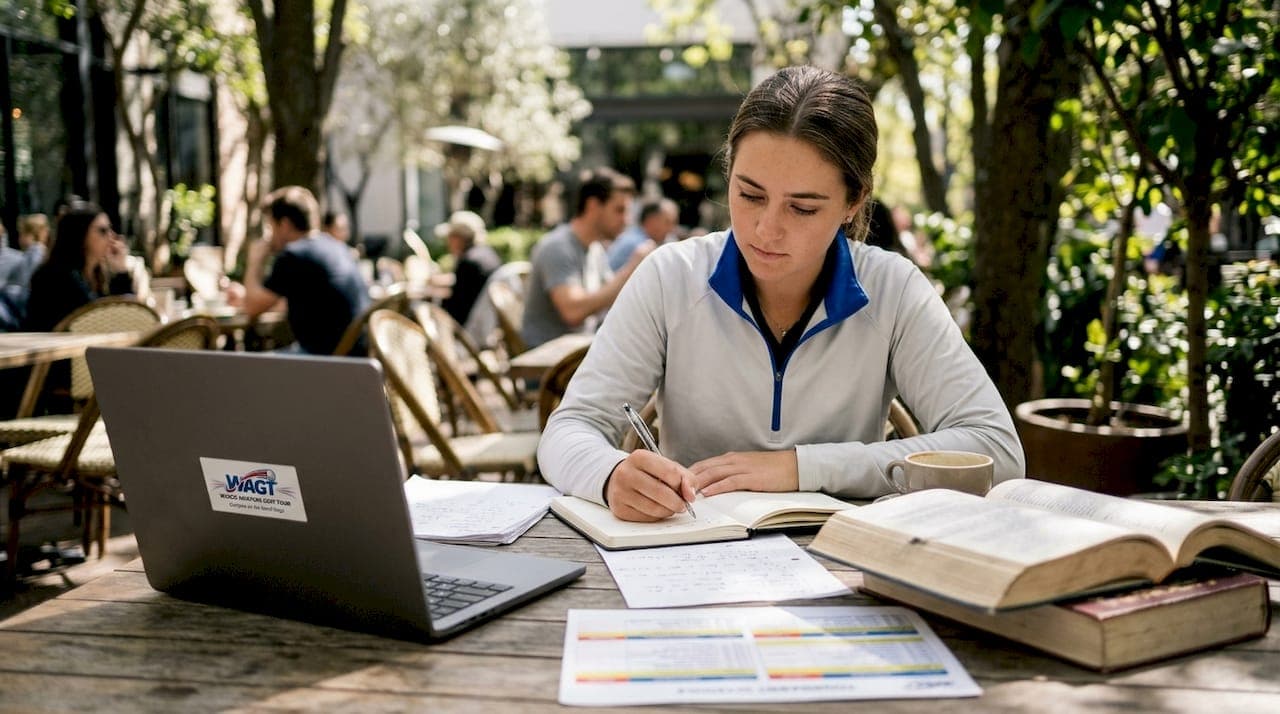
Student athlete time management is the defining skill that separates golfers who thrive in both the classroom and on the course from those who burn out by spring semester. To balance academics and golf tournaments successfully, you need a structured approach built on proactive scheduling, smart support systems, and honest self-awareness about your limits. NCAA academic eligibility standards require student athletes to maintain satisfactory academic progress, and Worldamateurgolftour provides WAGR-counting tournament structures that fit within a student golfer's competitive calendar. The good news: excelling at both is not just possible. It is a proven outcome for players who plan deliberately.
What are the biggest challenges in balancing academics and golf tournaments?
Tournament travel is the single largest threat to your academic consistency. Collegiate golfers typically manage 11–12 tournament trips per academic year, with each trip lasting roughly four days. That means you lose nearly six weeks of normal study time across a semester, compressed into evenings, airports, and hotel rooms.
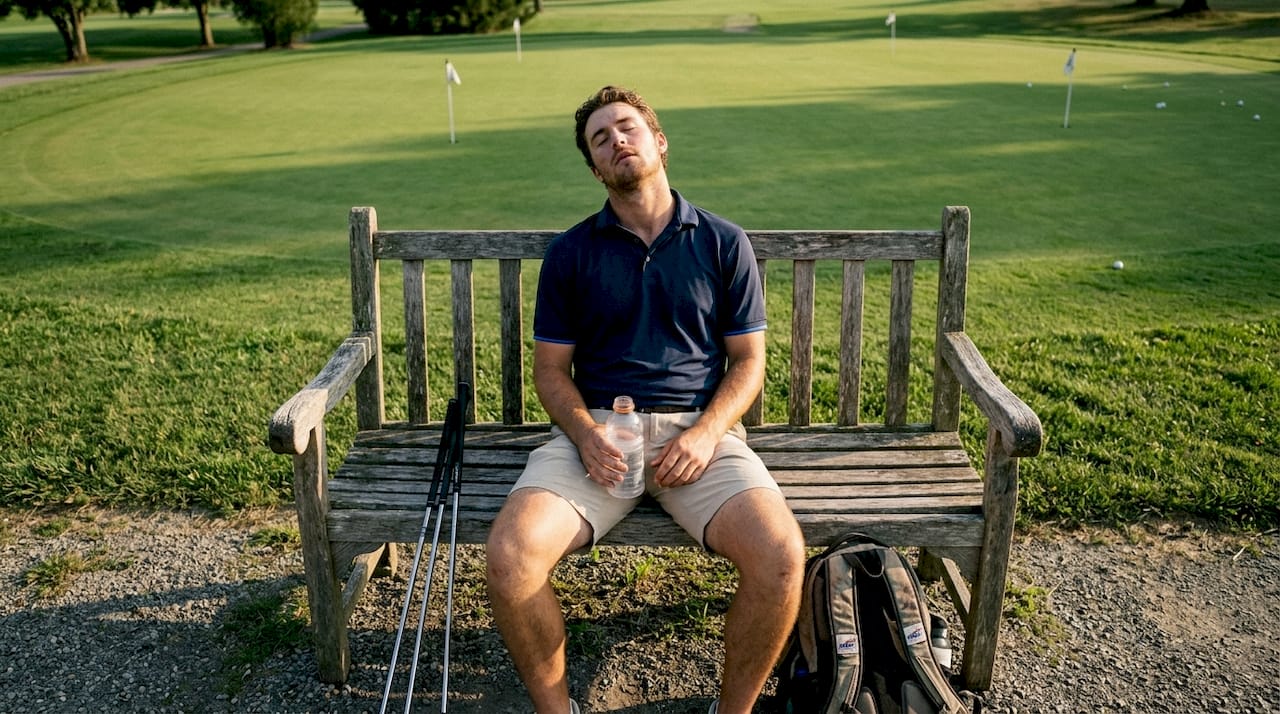
Physical and mental fatigue compound the problem. Elite college golf requires 18-hour days that stack morning workouts, classes, afternoon practice, and evening study sessions back to back. That schedule leaves almost no margin for error, and fatigue degrades both your swing mechanics and your ability to retain information.
Academic workload compression is the third major obstacle. When you travel for a tournament, assignments do not pause. Professors continue their syllabi, and deadlines do not shift because you were on a course in another state. Without a plan, you return to campus already behind, which creates a cycle of catch-up that is hard to break.
These challenges are real, but they are not unique to you. Every serious student golfer faces them. The players who succeed treat these obstacles as scheduling problems with concrete solutions, not as reasons to sacrifice one pursuit for the other.
Which scheduling strategies help you maintain academic performance during tournament season?
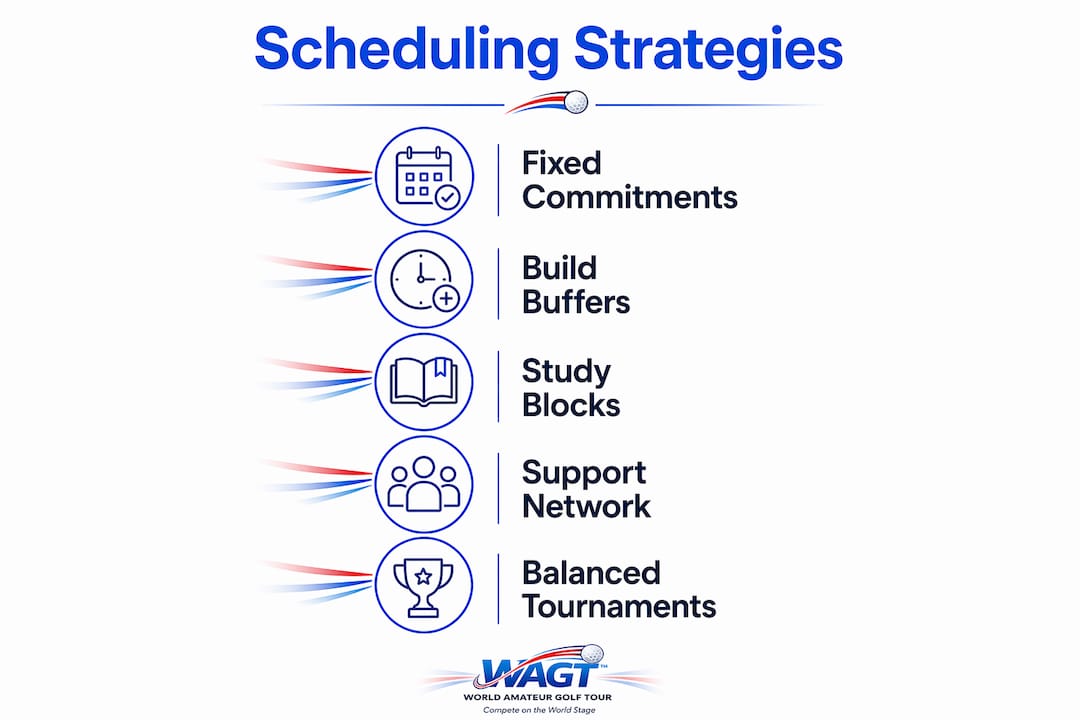
The most effective approach is building your week around fixed commitments first, then filling in study time around them. Players who select classes to accommodate morning workouts and afternoon practice report significantly better workload balance than those who register for classes without considering their golf schedule.
Build academic buffers before every trip
Successful student golfers create what coaches and academic advisors call "academic buffers." Proactive assignment management before travel is the single most reliable way to avoid falling behind. The week before a tournament, complete every assignment that can be submitted early. Read ahead in your textbooks. Draft papers before they are due. Cramming on the road leads to poor outcomes in both the classroom and on the course.
Here is a numbered approach to building your weekly routine:
- Map your fixed commitments. List every class, practice, workout, and meal time for the week.
- Identify your study windows. Find the 60 to 90 minute blocks between commitments where you can work without interruption.
- Assign specific tasks to each window. Do not sit down to "study." Sit down to complete Chapter 4 or finish your lab report.
- Front-load before travel weeks. Complete as much work as possible in the seven days before a tournament trip.
- Use digital calendars. Google Calendar or a physical planner with color-coded blocks for golf and academics keeps both priorities visible at once.
Pro Tip: Find one quiet location on campus, whether it is a library study room or an empty classroom, and use it exclusively for focused work. Your brain will associate that space with concentration, and you will waste less time settling in.
| Scheduling approach | Best for | Academic impact | Golf impact |
|---|---|---|---|
| Front-loaded study weeks | Pre-tournament periods | High: reduces travel stress | Positive: clear mental focus on course |
| Daily fixed study blocks | Regular semester weeks | High: steady progress | Neutral: consistent routine |
| Reactive cramming | No recommended use | Low: poor retention | Negative: mental fatigue on course |
| Class selection around practice | Semester registration | High: reduces conflicts | Positive: protects training time |
How can student golfers use support systems to manage both roles?
Support systems are not a sign of weakness. They are a competitive tool. Players who actively use academic support resources avoid falling behind and post stronger academic results than those who try to manage everything alone.
The most valuable resources available to you include:
- Tutors and study halls. Many athletic programs provide free tutoring. Use it during tournament weeks when your study time shrinks.
- Academic advisors. Meet with your advisor at the start of each semester to map your course load against your tournament calendar.
- Professors. Email professors before a tournament, not after. Most faculty respond well to advance notice and a clear plan for making up missed work.
- Coaches. Your coach has a direct interest in your academic eligibility. Keep them informed about academic stress before it becomes a crisis.
- Family and teammates. Teammates who share your schedule understand your constraints better than anyone. Study together when schedules align.
Pro Tip: Build your support network before you need it. Introduce yourself to your academic advisor and at least one tutor in the first two weeks of each semester. When a tournament week hits, you will already have relationships in place rather than scrambling to find help.
Mental health belongs in this list. LPGA pro Rose Zhang balances professional golf and her Stanford communication degree by taking intentional breaks and protecting quiet recovery time. That approach applies directly to student golfers. Burnout does not announce itself. It builds slowly, and a strong support network helps you catch it early.
What daily habits keep student golfers healthy and performing well?
Physical recovery is not optional. It is part of your training plan. Sleep deprivation cuts reaction time, weakens decision-making, and reduces the cognitive function you need for both exams and course management. Aim for seven to nine hours per night, and treat that target with the same seriousness as your practice schedule.
Nutrition directly affects your energy and focus across a full day of classes and training. Prioritize protein and complex carbohydrates at breakfast and lunch to sustain energy through afternoon practice. Avoid high-sugar snacks before study sessions. They produce a short energy spike followed by a crash that makes retention nearly impossible.
Extracurricular physical activity positively predicts long-term academic performance. That finding means your golf training is not competing with your academic success. It is supporting it, provided you manage recovery properly.
Daily habits that protect both your health and your performance include:
- Sleep seven to nine hours on a consistent schedule, including weekends.
- Eat a full breakfast before morning workouts or early classes.
- Take a 10 to 15 minute walk or stretch break between study sessions.
- Limit screen time in the hour before bed to protect sleep quality.
- Schedule one full rest period per week with no golf and no academic work.
Pro Tip: Treat your rest day as a non-negotiable appointment. Block it in your calendar the same way you block practice. Student golfers who protect recovery time consistently outperform those who grind through every available hour.
How do you plan a tournament schedule that supports your academic goals?
Playing every tournament available is not the path to success. Recruiting experts recommend balanced tournament schedules that prioritize rest and study time over chasing every national event. Regional and local events often provide the same recruiting visibility as national ones, with far less travel time and academic disruption.
Build your tournament calendar at the start of each semester by mapping events against your academic deadlines. Midterm and final exam periods are non-negotiable. No tournament is worth failing a course that affects your eligibility or your GPA.
| Tournament type | Travel demand | Academic disruption | Recruiting value |
|---|---|---|---|
| Local events (under 2 hours) | Low | Minimal | Solid for regional coaches |
| Regional events (2 to 5 hours) | Moderate | Manageable with planning | Strong for college programs |
| National events | High | Significant | High, but use selectively |
| WAGR-counting events | Varies | Plannable with calendar | High: builds world ranking |
Strong academics signal discipline to college coaches and reduce the perceived risk of recruiting a player who might struggle with travel and coursework simultaneously. A player with a strong GPA and a selective tournament schedule often attracts more serious recruiting interest than one with a packed schedule and mediocre grades. Worldamateurgolftour events are structured to support this approach, offering WAGR-counting competition at championship-caliber venues without requiring you to sacrifice your academic calendar. You can read more about why amateur events matter for college-bound golfers before committing to your schedule.
For student golfers managing travel logistics and coverage, reviewing sports travel insurance tips before tournament season is a practical step many overlook until something goes wrong.
Key Takeaways
Student golfers who build proactive academic buffers, use available support systems, and select tournaments strategically maintain both strong GPAs and competitive golf careers without burning out.
| Point | Details |
|---|---|
| Front-load before travel | Complete assignments early to avoid falling behind during tournament weeks. |
| Use your support network | Tutors, advisors, and coaches are tools. Engage them before problems arise. |
| Protect recovery time | Sleep and rest days are part of your performance plan, not luxuries. |
| Select tournaments wisely | Regional events often match national ones for recruiting value with less disruption. |
| Academics strengthen recruiting | A strong GPA signals discipline and makes you a lower-risk recruit for coaches. |
What I have learned from watching student golfers get this wrong
Most student golfers do not fail because they lack talent or work ethic. They fail because they wait too long to ask for help. I have seen players grind through a tournament week with three papers due on return, convinced they could handle it, only to submit rushed work and play distracted golf. Neither outcome served them.
The players who get this right share one habit: they plan two weeks ahead, not two days ahead. They know their tournament dates before the semester starts. They have already talked to their professors. They have already identified which assignments can be submitted early. That level of preparation feels excessive until you are sitting in a hotel room at 11:00 PM the night before a 54-hole event, and you realize you have nothing urgent left to do.
The other mistake I see constantly is treating self-care as a reward for finishing everything else. Recovery is not a reward. It is a requirement. The golfers who build rest into their schedule perform better in both arenas, full stop. If you are serious about planning your competitive season, start with your academic calendar and work outward. That order matters more than most players realize.
— Gene
Worldamateurgolftour: competitive golf built for student schedules
Student golfers need tournaments that fit their academic lives, not the other way around. Worldamateurgolftour offers WAGR-counting events at championship-caliber venues across Florida, structured to give you serious competitive experience without requiring you to sacrifice your semester.

Every Worldamateurgolftour event is professionally run, fairly managed, and designed to support your development as both a golfer and a student. You earn world ranking points, compete in a legitimate field, and return to campus with real competitive experience that college coaches notice. If you are ready to compete at a level that respects your academic commitments, view upcoming WAGR tournaments and find the events that fit your calendar.
FAQ
How many tournaments should a student golfer play per year?
Recruiting experts recommend a selective schedule that prioritizes regional events and protects study time. Most student golfers perform best with a calendar that leaves exam periods completely free.
Does playing golf hurt academic performance?
Physical activity positively predicts academic performance when managed with proper recovery. Golf training supports academics when you protect sleep and schedule study time consistently.
What is an academic buffer and why does it matter?
An academic buffer is a block of completed work you build before a tournament trip. Proactive assignment completion before travel prevents the catch-up cycle that derails both grades and athletic performance.
How do I talk to professors about tournament travel?
Contact professors before the trip, not after. Provide your tournament schedule at the start of the semester and ask about early submission options for any assignments that fall during travel weeks.
Do college coaches care about a golfer's GPA?
Coaches actively favor recruits with strong GPAs because high academic performance signals the discipline needed to handle travel and coursework simultaneously. A strong GPA is a genuine recruiting advantage.