

A golf membership program is a formal arrangement that grants golfers exclusive access to a club's courses, facilities, and social community under defined membership tiers and contract terms. The structure varies widely, from public course passes costing as little as $500 annually to elite private country club memberships exceeding $100,000 in initiation fees alone. Understanding what a golf membership program includes, what it costs, and what you actually get beyond tee times is the difference between a smart investment and an expensive surprise. Worldamateurgolftour offers one clear example of how structured membership programs can connect golfers to competitive events, ranking opportunities, and a genuine community of serious players.
What are the common types of golf membership programs?
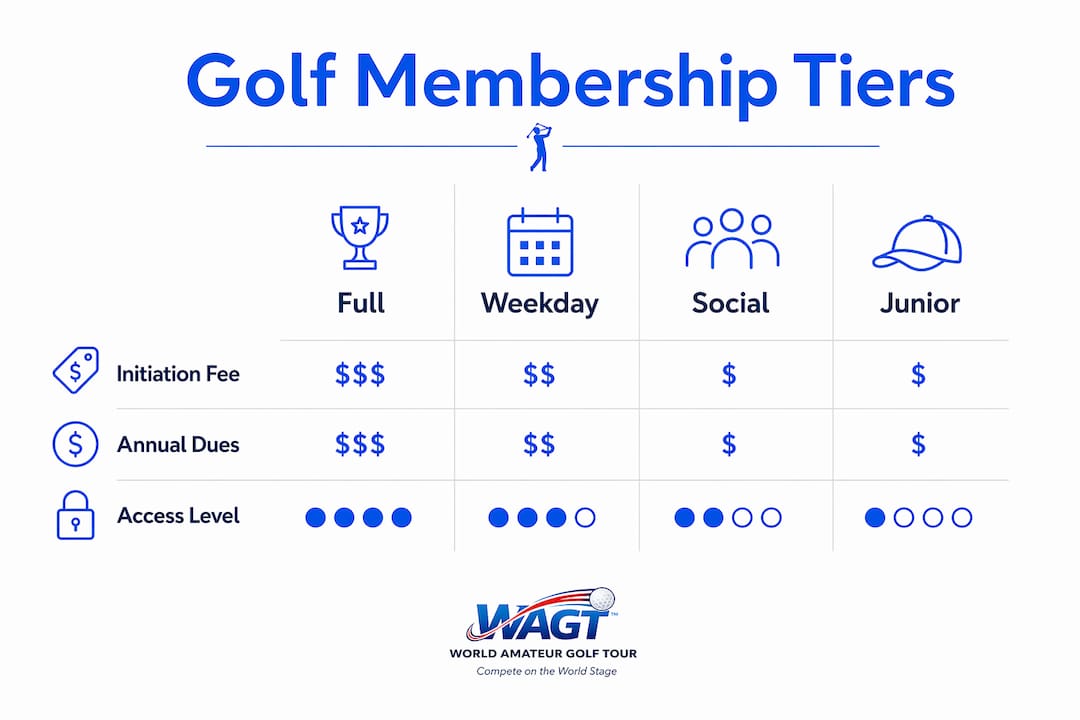
Standard golf membership tiers in 2026 include Full Golf, Weekday/Limited Play, Social/House, and Junior, each designed for a different type of golfer. Knowing which tier fits your schedule and goals saves you money and frustration.
Here is how each tier works in practice:
- Full Golf Membership: Unlimited access to the course seven days a week, including weekends and holidays. This is the flagship tier at most clubs and carries the highest annual dues. It suits golfers who play multiple rounds per week and want priority tee times.
- Weekday/Limited Play Membership: Restricts access to weekdays or a set number of rounds per month. The cost is meaningfully lower than full membership. This tier fits working golfers who realistically only play Tuesday through Friday.
- Social/House Membership: No golf access at all. Members pay to use dining, fitness, and social facilities. Clubs offer this tier to build revenue and community without adding pressure to the course.
- Junior Membership: Designed for golfers under a set age threshold, typically under 25 or 30. Dues are reduced significantly. Junior memberships at competitive tours like Worldamateurgolftour also include access to WAGR-counting tournaments, which matter enormously for players building a collegiate or professional pathway.
Beyond tier, clubs also differ by access model. Private clubs restrict play to members and their guests only. Semi-private clubs sell daily fee rounds to the public while reserving priority access for members. Public courses offer memberships as a cost-saving pass rather than an exclusive arrangement.
| Membership type | Typical access | Best suited for |
|---|---|---|
| Full Golf | 7 days, unlimited rounds | Frequent players, 3+ rounds per week |
| Weekday/Limited Play | Weekdays or capped rounds | Working adults, moderate play frequency |
| Social/House | Dining and amenities only | Non-golfers or social members |
| Junior | Age-restricted, reduced dues | Players under 25 building their game |
| Semi-private | Priority tee times, public rounds available | Budget-conscious competitive golfers |

How much do golf memberships cost and what fees should you expect?
Golf membership costs range from $500 to over $20,000 per year in annual dues, depending entirely on the club type. That range does not include initiation fees, which at top private clubs can exceed $100,000. The dues number you see advertised is rarely the full picture.
Here is a realistic breakdown by club category:
| Club type | Annual dues | Initiation fee |
|---|---|---|
| Public course pass | $500–$2,500 | None or minimal |
| Semi-private club | $2,000–$6,000 | $1,000–$10,000 |
| Private country club | $5,000–$20,000+ | $10,000–$100,000+ |
Beyond dues, food and beverage minimums surprise most new members. Many clubs require you to spend a set dollar amount in the dining room each month or quarter, whether you want to or not. Unspent minimums are forfeited, not rolled over.
Capital assessments and locker fees add hundreds or thousands more to your annual bill. Assessments fund course renovations, clubhouse upgrades, and equipment purchases. They are not optional. Locker and bag storage fees are smaller but consistent annual charges that most prospective members overlook entirely.
Pro Tip: Before signing any membership contract, ask the club for a full 12-month statement from a current member at your tier. This shows actual spend including dues, F&B minimums, assessments, and storage fees. The real annual cost is almost always higher than the advertised dues figure.
What are the main benefits of joining a golf membership program?
A golf membership delivers value well beyond guaranteed tee times. Members enjoy priority tee times, access to member-only tournaments, discounts on pro shop merchandise, and a playing environment that is consistently better maintained than public alternatives. Those perks are the visible layer. The deeper value is harder to quantify but often more significant.
The core benefits of a golf club membership include:
- Member-only tournaments and leagues: Structured competition sharpens your game faster than casual rounds. Many clubs run weekly stroke play, match play leagues, and seasonal championships exclusively for members.
- Networking with serious golfers: Golf has always been a relationship sport. Social and networking opportunities at clubs connect you with professionals, business contacts, and like-minded competitors in a setting that casual rounds at public courses simply cannot replicate.
- Practice facilities: Members typically access driving ranges, short game areas, and putting greens without additional fees. Consistent access to quality practice facilities accelerates improvement measurably.
- Wellness and lifestyle amenities: Fitness centers, wellness programs, and dining are standard at full-service clubs. These amenities shift membership from a golf expense to a lifestyle investment.
- Family and social events: Clubs run family-friendly programming, holiday events, and junior clinics. For families with young golfers, this creates a community that supports development at every level.
For junior and amateur golfers specifically, membership in a structured tour like Worldamateurgolftour adds a layer that club memberships alone cannot provide: access to competitive amateur tournaments that count toward the World Amateur Golf Ranking (WAGR). That ranking visibility opens doors to collegiate programs and professional pathways.
How do golf memberships work in practice?
Joining a golf club follows a defined process, and knowing each step prevents delays and disappointment. The typical private club application involves four stages:
- Submit a formal application. Most clubs require a written application with personal and professional background information. Some require a letter of intent explaining your interest in the club.
- Secure sponsorship and pass a membership committee review. Most private clubs require sponsorship by existing members and a social vetting process. The committee interview can take several months. This protects club culture but requires patience.
- Pay the initiation fee. Once approved, you pay a non-refundable initiation fee before your membership activates. This fee does not count toward dues.
- Sign a multi-year contract. Most clubs lock members into annual or multi-year agreements. Leaving early often carries financial penalties.
Once you are a member, the experience has practical limits worth knowing. Membership access can be restricted by member tournaments, league play, and scheduled course maintenance. Weekend mornings at competitive clubs are often dominated by organized events, leaving individual members with fewer prime tee times than they expected.
Booking systems vary by club. Some use online portals with rolling 7-day windows. Others still rely on phone calls to the pro shop. Understanding the booking culture before you join prevents frustration after you sign.
Pro Tip: Visit the club on a Saturday morning before applying. Watch how busy the first tee is, how the staff interacts with members, and whether the pace of play matches your expectations. No amount of marketing copy replaces a firsthand look at how the club actually operates.
Key Takeaways
A golf membership program delivers real value only when the tier, cost, and club culture align with how often you play and what you want from the game.
| Point | Details |
|---|---|
| Membership tiers vary significantly | Full, Weekday, Social, and Junior tiers each suit different play frequencies and budgets. |
| True cost exceeds advertised dues | F&B minimums, assessments, and locker fees routinely add hundreds or thousands annually. |
| Benefits extend beyond golf access | Networking, practice facilities, tournaments, and wellness programs define full membership value. |
| Application takes time at private clubs | Sponsorship, committee review, and initiation fees mean the process can span several months. |
| Play frequency determines value | Golfers playing fewer than 2–4 rounds weekly may find daily fees more cost-effective than full membership. |
Is a golf membership worth it for serious amateurs?
I have seen golfers make the same mistake repeatedly. They join a club for the prestige, pay the initiation fee, and then realize they are playing eight rounds a year. At $10,000 in annual dues, that works out to $1,250 per round. A daily fee course would have cost them $150.
The math on play frequency versus cost is unforgiving. If you are not playing at least two to four rounds per week, full membership at a private club is hard to justify on economics alone. The lifestyle and networking benefits are real, but they need to be worth the premium you are paying above what public golf would cost you.
What I tell serious junior and amateur golfers is different. For players building toward collegiate or professional golf, the right membership is not just about course access. It is about structured competition, ranking points, and community. A club membership that includes access to WAGR-counting events through a program like Worldamateurgolftour delivers a return that casual rounds never can. The competitive reps, the pressure of stroke play, and the visibility that comes from a ranked performance are worth far more than unlimited weekend tee times at a semi-private club.
My honest advice: try before you commit. Many clubs offer trial memberships or guest day packages. Use them. Play the course on a busy Saturday. Eat in the dining room. Talk to current members about what they wish they had known before joining. The hidden fees and obligations that surprise first-time members are almost always visible during a thorough trial period. Transparency during the application phase is not just nice to have. It is the standard you should demand.
— Gene
Competitive amateur golf and membership with Worldamateurgolftour
For junior, collegiate, and amateur golfers who want more than a club membership can offer, Worldamateurgolftour provides a structured path to serious competition and real ranking recognition.

Worldamateurgolftour runs professionally managed events at championship-caliber courses, with every tournament counting toward WAGR status. Members gain access to a competitive community, fair and transparent event management, and the kind of high-stakes rounds that accelerate development faster than club play alone. If you are ready to compete at the next level and build your ranking, visit Worldamateurgolftour to review current membership options and upcoming tournament schedules. The community is competitive, the events are elite, and the pathway is clear.
FAQ
What is a golf membership program?
A golf membership program is a formal contract granting golfers access to a club's courses, facilities, and community benefits under defined tiers and terms. Membership types range from full golf access to social-only arrangements, each with different costs and privileges.
How much does a golf membership cost per year?
Annual dues range from $500 at public courses to over $20,000 at private country clubs, with initiation fees at elite clubs exceeding $100,000. Additional costs including F&B minimums and capital assessments routinely increase the true annual expense.
What are the main benefits of a golf club membership?
Members receive priority tee times, access to member-only tournaments, practice facility use, pro shop discounts, and social networking opportunities. Full-service clubs also offer fitness, dining, and family programming beyond the course.
How long does it take to join a private golf club?
The application process at most private clubs takes several months, covering a written application, member sponsorship, committee review, and initiation fee payment. Semi-private and public course memberships typically involve a much faster sign-up process.
Is a golf membership worth the cost?
Membership delivers strong value for golfers playing two or more rounds per week who also want community, competition, and amenities. Golfers playing fewer rounds may find daily fee rates more cost-effective than committing to annual dues and additional fees.