
Amateur golf sponsorship criteria are the measurable standards that sponsors use to evaluate whether an amateur golfer is worth backing financially or with equipment. The amateur golf sponsorship criteria list covers five core areas: amateur status compliance, competitive performance, personal branding, contract structure, and sponsor alignment. The USGA and R&A modernized Rules of Amateur Status have reshaped what is permissible, opening new doors for serious amateurs. Whether you are a junior golfer seeking your first deal or a sponsor evaluating candidates, understanding these criteria protects your investment and your eligibility.
1. What are the essential amateur golf status and eligibility requirements for sponsorship?
Amateur status is the foundation of every sponsorship conversation. Without it, a golfer cannot compete in USGA, R&A, or WAGR-sanctioned events, which eliminates the competitive exposure sponsors are paying for.
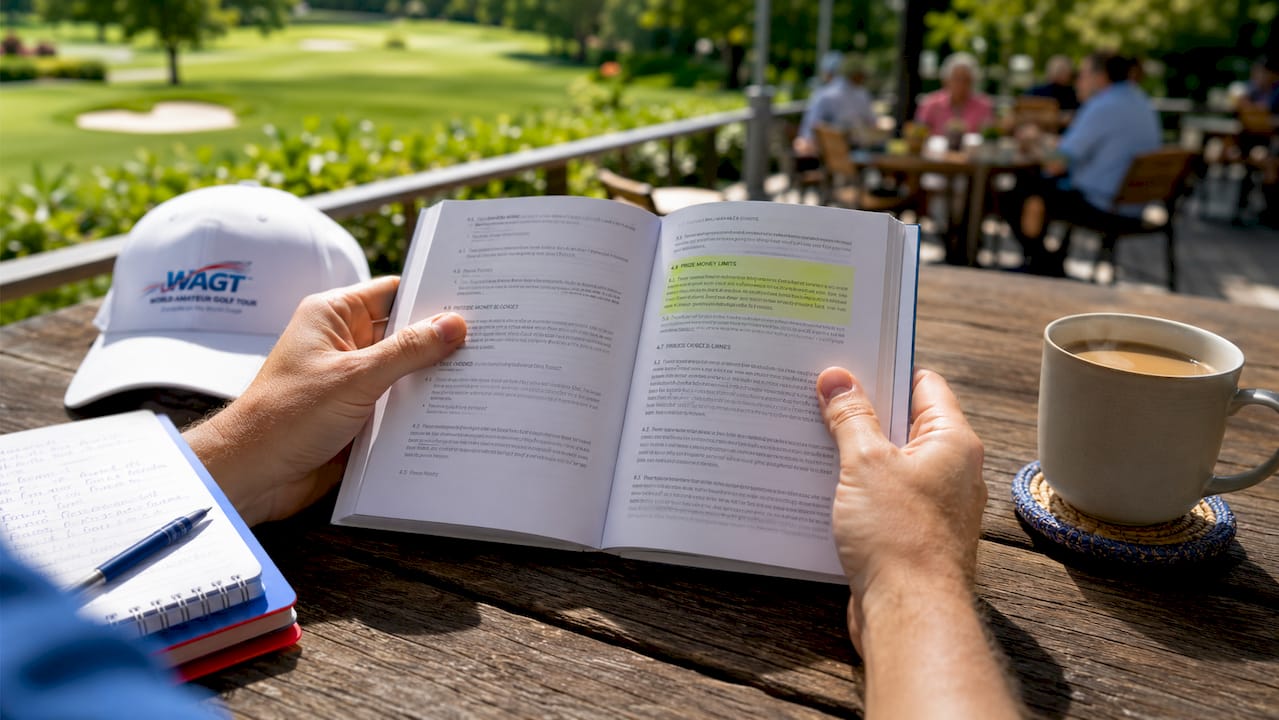
The USGA and R&A updated prize limits to $1,000 in scratch-only competitions. Prize money in handicap competitions is prohibited entirely. That distinction matters because many local and regional events run handicap formats, and accepting cash there puts your status at risk immediately.
Equipment is another compliance minefield. Accepting free equipment of significant value can violate amateur rules if the arrangement is not carefully structured. Any equipment offer must be reviewed against governing body rules before you sign anything.
Key eligibility checkpoints sponsors verify include:
- Confirmed amateur status with no prior violations
- Prize money history within the $1,000 scratch competition limit
- No undisclosed equipment or financial arrangements with other brands
- Documentation of clean conduct records (some associations, including Korean golf bodies since 2021, require a pledge confirming no history of school violence)
- Compliance confirmation from a qualified golf administrator or attorney
Pro Tip: Before accepting any sponsorship offer, submit the full terms to your national golf association for a compliance review. A written clearance protects both you and the sponsor.
2. Which performance and competitive achievements matter most in sponsorship evaluations?
Sponsors back golfers who win in competitive fields. A strong amateur golf sponsorship requirements checklist always starts with verified tournament results, not self-reported scores.
World Amateur Golf Ranking (WAGR) points are the clearest performance signal available. Sponsors can look up your ranking directly, which removes subjectivity from the evaluation. Competing in WAGR-certified events builds a public, verifiable record that strengthens any proposal.
The most compelling performance credentials include:
- Top finishes in scratch-only, stroke play events at the state, regional, or national level
- Consistent scoring averages across multiple competitive rounds
- WAGR ranking points earned through certified tournaments
- Wins or top-10 finishes in recognized amateur championships
- A competitive tournament schedule showing regular participation, not just occasional play
Contract length reflects how sponsors weigh performance against potential. Amateur player contracts often run 3–6 years, compared to roughly 2 years for professional contracts. Sponsors are betting on trajectory, not just current results. A golfer with a rising WAGR ranking and a packed competitive calendar is a stronger candidate than one with a single big win and no follow-through.
Building a competitive tournament schedule that demonstrates consistency is one of the most practical steps you can take before approaching sponsors.
3. How does personal branding and marketability impact amateur golf sponsorship criteria?
Sponsors do not just buy access to a golfer. They buy access to that golfer's audience, reputation, and community. Personal branding is now a formal part of the criteria for golf sponsorship evaluations.
Junior golfers should build comprehensive profiles that include academics, tournament history, and community service records. Sponsors increasingly value leadership traits and character alongside playing ability. A golfer who volunteers at junior clinics, maintains strong grades, and competes at a high level presents a fuller value proposition than one who only plays well.
Social media is a measurable asset. Sponsors look at follower counts, engagement rates, and content consistency across platforms like Instagram and TikTok. A golfer with 5,000 engaged followers who post regularly about their competitive journey offers more marketing value than one with 20,000 passive followers.
Key marketability factors sponsors evaluate:
- Social media following and average engagement per post
- Consistency of personal brand across platforms and in person
- Academic standing and extracurricular leadership
- Community involvement such as junior clinics or charity events
- Alignment between the golfer's public image and the sponsor's brand values
Amateurs offering brands measurable engagement through clinics, events, and social media analytics hold a real competitive advantage. Passive logo placement is no longer enough. Sponsors want context and access.
Pro Tip: Build a one-page sponsorship proposal that includes your social media analytics, tournament schedule, and a clear statement of what the sponsor gains. Data-backed proposals close deals faster than generic pitch letters.
4. What are common sponsorship deal structures and contractual considerations for amateurs?
Golf sponsorships fall into two primary structures. Understanding both helps you negotiate terms that fit your situation and protect your amateur status.
Subscription-based sponsorships provide recurring brand exposure in exchange for a fixed arrangement, such as wearing branded apparel at every event. Performance-based sponsorships tie financial support or equipment to measurable outcomes like tournament finishes or ranking improvements. Many amateur deals blend both models.
Non-cash benefits are common and permissible within limits. Travel expense reimbursement, equipment, and entry fee coverage can all be structured within amateur rules. The key is documentation. Every benefit must be itemized in the contract and reviewed for compliance before the agreement is signed.
"Contracts for amateur sponsorships require strict adherence to both the Rules of Amateur Status and brand image protections, with detailed documentation increasingly common." — Amateur sponsorship contract standards
Practical contract considerations for amateurs and sponsors:
- Specify exactly which benefits are cash and which are non-cash
- Include a compliance clause referencing current USGA and R&A amateur rules
- Define performance benchmarks clearly if the deal is performance-based
- Set a review period, typically at 12 months, to assess mutual satisfaction
- Document all equipment transfers with fair market value assessments
5. How to compare different sponsorship opportunities and choose the right fit?
Not every sponsorship offer is worth accepting. The right fit depends on brand alignment, exposure quality, and how the deal affects your long-term competitive goals.
Small and medium-sized businesses often offer the most flexible and authentic golf sponsorships. Chasing a high-profile brand name that does not align with your values or audience produces weak results for both sides. Authentic alignment produces sustainable partnerships.
Use this comparison framework when evaluating offers:
| Sponsorship Type | Primary Benefit | Key Obligation | Best Fit For |
|---|---|---|---|
| Equipment sponsor | Free gear and apparel | Wear and promote the brand at all events | Golfers with high event volume |
| Travel sponsor | Entry fees and travel covered | Compete in specific events or regions | Golfers expanding their schedule |
| Performance-based deal | Cash or gear tied to results | Hit defined ranking or finish benchmarks | Golfers with strong, consistent results |
| Brand ambassador deal | Recurring support plus social exposure | Regular content creation and appearances | Golfers with strong social media presence |
| Local business sponsor | Flexible, relationship-driven support | Community appearances and local promotion | Junior golfers building early profiles |
Geographic focus matters more than most golfers realize. A regional sponsor may offer more consistent support and better community visibility than a national brand that spreads its budget thin. Match the sponsor's audience to the tournaments you actually play.
Review your amateur golf tour comparison factors before committing to any deal. Your tournament schedule directly shapes which sponsorship types make sense.
Pro Tip: Evaluate every offer against three questions: Does this sponsor's audience overlap with mine? Does this deal protect my amateur status? Does this relationship help my career in three years, not just this season?
Key Takeaways
A successful amateur golf sponsorship requires verified eligibility, measurable performance, authentic brand alignment, and a compliant contract structure from the start.
| Point | Details |
|---|---|
| Eligibility comes first | Confirm amateur status and prize money compliance before approaching any sponsor. |
| Performance must be verifiable | WAGR rankings and certified tournament results are the clearest signals sponsors trust. |
| Personal brand is measurable | Social media engagement, academics, and community involvement all factor into sponsor decisions. |
| Contract structure protects both sides | Itemize all benefits, include a compliance clause, and set a 12-month review period. |
| Authentic alignment outperforms prestige | A well-matched local or regional sponsor delivers more value than a misaligned national brand. |
What I have learned about amateur golf sponsorship after years in the game
The biggest mistake I see serious amateurs make is treating sponsorship as a reward for good play. It is not. Sponsorship is a business relationship, and sponsors evaluate you the same way they evaluate any marketing investment.
The golfers who land deals in 2026 are the ones who show up with data. They know their engagement rates. They have a tournament schedule that demonstrates commitment. They can explain, in plain language, what a sponsor gains by backing them. That clarity is rare, and sponsors notice it immediately.
The compliance side is where I see the most costly errors. Accepting a set of clubs from a brand without a written compliance review is the kind of shortcut that ends amateur careers. The rules around amateur status are not ambiguous. They are specific, and the consequences of violating them are real.
My honest advice: build your profile before you need it. Compete in certified events, document your results, grow your community presence, and approach sponsors from a position of demonstrated value. The golfers who do that work early are the ones who negotiate from strength, not desperation.
— Gene
Worldamateurgolftour: where serious amateurs build their competitive record
Sponsorship exposure starts with competing at the right level. Worldamateurgolftour runs WAGR-certified events at championship-caliber courses across Florida, giving junior and amateur golfers the verified competitive record that sponsors actually look for.
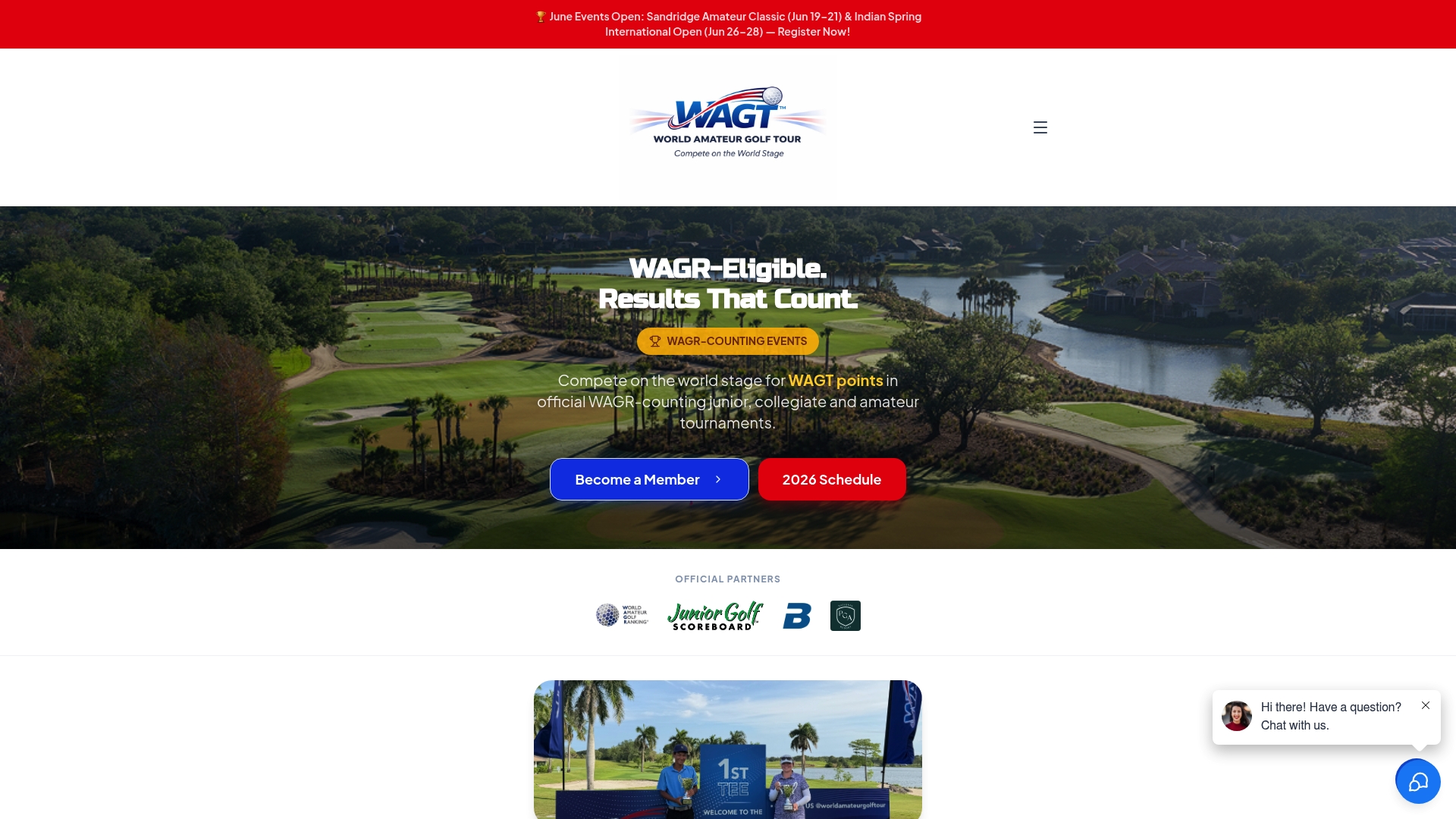
Every event on the Worldamateurgolftour calendar is professionally managed, with transparent scoring and ranking points that feed directly into your WAGR profile. That public, verifiable record is exactly what a well-structured golf sponsorship proposal needs to stand on. If you are serious about building the competitive credentials that attract sponsors, the Worldamateurgolftour is the right place to start.
FAQ
What is the prize money limit for amateur golfers seeking sponsorship?
Amateur golfers may accept prize money up to $1,000 in scratch-only competitions without losing amateur status. Prize money in handicap competitions is prohibited under the modernized USGA and R&A Rules of Amateur Status.
Can amateur golfers accept free equipment from sponsors?
Yes, but only within strict limits. Accepting free equipment of significant value can violate amateur rules if the arrangement is not properly structured and documented with governing body approval.
What do sponsors look for in amateur golf sponsorship proposals?
Sponsors prioritize verified tournament results, WAGR rankings, social media engagement data, and a clear explanation of mutual benefit. Data-backed proposals that go beyond logo placement consistently outperform generic pitch letters.
How long do amateur golf sponsorship contracts typically last?
Amateur sponsorship contracts typically run 3–6 years, which is longer than the roughly 2-year average for professional contracts. The longer duration reflects a sponsor's focus on long-term potential rather than immediate results.
Does competing in WAGR-certified events improve sponsorship prospects?
Yes. WAGR rankings give sponsors a public, verifiable performance record that removes subjectivity from their evaluation. Consistent participation in certified events is one of the strongest signals an amateur can send to prospective sponsors.