
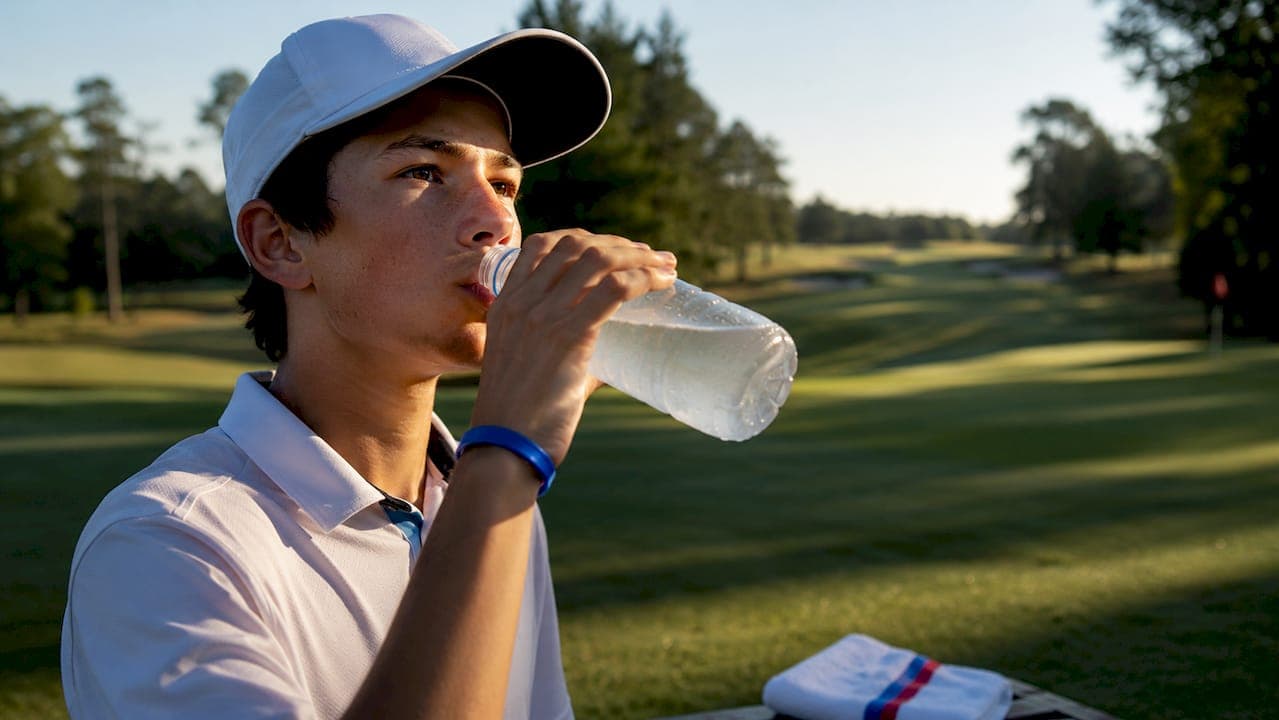
Drink a moderate amount of fluid about four hours before your tee time, sip electrolyte-containing fluids regularly during the round, and replace lost fluid with sodium-containing drinks after play. Miss that window and the damage shows up on the scorecard, not just on the thermometer. Even mild dehydration blunts the focus and swing control you need to shoot your number, so this simple rhythm isn't optional maintenance. It's part of your game plan.
TL;DR:
- Drinking 13 to 18 ounces of water four hours before tee time and eating a balanced meal helps prevent dehydration and maintains focus during the game.
- Incorporating electrolyte drinks every 45 to 60 minutes during play, especially in heat, improves hydration and delays fatigue.
- Weighing yourself before and after the round accurately measures sweat loss, guiding proper fluid replacement and preventing performance decline.
- Post-round, drinking 20 to 24 ounces of sodium-rich fluid per pound lost and consuming a carbohydrate and protein snack supports effective recovery.
- Organizers should ensure beverage stations offer water and electrolytes, schedule tee times to avoid heat congestion, and communicate hydration tips to players.
Table of Contents
- Building the Pre-Round Hydration Plan That Actually Works
- How Often Should You Drink During a Round?
- Why Sodium and Carbs Belong in Your Hydration Routine
- Signs Your Hydration Plan Is Working (or Isn't)
- What to Drink and Eat After Your Round
- A Copyable 18-Hole Hydration Kit
- Notes for Event Organizers and Junior Players
- Make Hydration a Habit, Not an Afterthought
- Sources
Building the Pre-Round Hydration Plan That Actually Works
What you drink the night before matters almost as much as what you drink the morning of. Spread your fluids across the evening instead of guzzling right before bed, and you'll wake up ahead of the deficit rather than trying to erase it in one rushed session over breakfast.
The real checkpoint is four hours out. Drink a moderate amount of fluid roughly four hours before your tee time, and pair it with a balanced meal two to four hours before you step onto the first tee. That timing window gives your body enough runway to absorb fluid without leaving you bloated or making an emergency bathroom detour on hole 2.
Two quick self-tests tell you if it worked:
- Urine color check: pale yellow means you're in good shape; dark yellow means you're already behind.
- Morning body-weight check: a stable number from day to day suggests you're maintaining fluid balance; a sudden drop suggests you went to bed under hydrated.
Pro Tip: Weigh yourself first thing in the morning, before coffee or breakfast, for the most consistent baseline reading.
The stakes are real. A narrative review of nutrition in elite golf found that golfers who started rounds dehydrated averaged 79.5 strokes compared to 75.7 for players who began euhydrated, a gap that traces back to impaired focus and shot accuracy, not just fatigue.
How Often Should You Drink During a Round?
The base rule is straightforward: drink moderate amounts roughly every 15 to 20 minutes, with total hourly fluid intake varying by conditions.
Walking 18 holes changes the math. So does a heavy sweat rate, which varies more from player to player than most golfers realize. If you're walking or the temperature is climbing, increase your hourly intake and swap in an electrolyte drink at least every 45 to 60 minutes instead of relying on plain water the whole way around.
A workable schedule looks like this:
- Holes 1 to 6: Water is fine if the temperature is under control; sip at each tee box.
- Holes 7 to 12: Start alternating water with an electrolyte drink, especially once the sun is fully up.
- Holes 13 to 18: Prioritize electrolytes, since this is when fatigue and heat stress typically peak.
The habit that makes this stick is tying sips to something you already do on every hole. Take a drink when you write down your score, or when you pull your glove off between shots. Performance coaches recommend this exact approach because waiting for thirst means you're already behind. Thirst is a lagging signal, not an early warning system.
Small, frequent sips also just work better than chugging half a bottle at the turn. Golf Digest's reporting on on-course hydration notes that spreading intake into smaller doses improves comfort and absorption, so you're not sloshing water through nine holes trying to catch up from hole 1.
Why Sodium and Carbs Belong in Your Hydration Routine
Plain water only solves half the problem. Sodium drives your thirst response, helps your body retain the fluid you drink, and protects against hyponatremia, a dangerous dilution of blood sodium that can happen when players overhydrate with water alone during long, hot rounds.
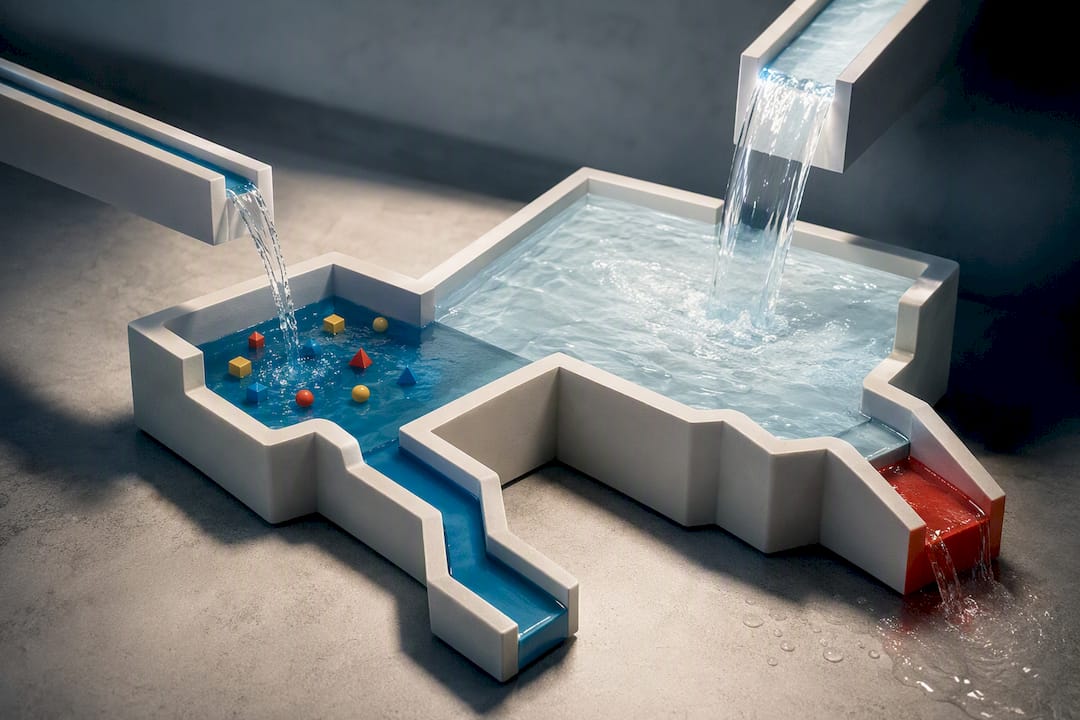
Small amounts of carbohydrate matter too. They improve how efficiently your body absorbs electrolytes and help sustain mental energy over a four to five hour round, which is why Golf Digest's hydration guidance pairs electrolyte intake with modest carb intake rather than treating them separately. On longer tournament days, some players benefit from the higher end of the 30 to 60 grams of carbohydrate per hour range typically recommended for prolonged athletic exertion.
Format comes down to preference:
- Powder sticks pack flat in a golf bag and mix into any bottle, but you need water on hand to dissolve them.
- Tablets are the most convenient for quick prep, though flavor and fizz vary widely by brand.
- Ready-to-drink options require no prep at all, but they add weight and volume to your bag.
Read the label before you buy. Check sodium content in milligrams, total carbohydrates in grams, and whether added sugars or artificial sweeteners are likely to upset a sensitive stomach mid round.
Signs Your Hydration Plan Is Working (or Isn't)
The most reliable check is a body-weight comparison. Weigh yourself in similar clothing before and after your round; the difference is roughly how much sweat you lost, and that number tells you exactly how much to drink in recovery.
Urine color is a useful backup but not a standalone answer, since hydration supplements and certain foods can shift the color independent of your actual fluid status. Watch for these signs that you're already 1 to 2% down on body mass, the threshold where performance measurably drops:
- Shots coming up short of your normal distance
- Accuracy drifting on shots you'd normally hit clean
- Trouble concentrating over the ball or reading greens
If dizziness, severe cramping, or confusion shows up, stop and address it immediately. Those aren't performance issues anymore. They're safety issues.
What to Drink and Eat After Your Round
Recovery starts with a simple formula: replace 20 to 24 ounces of sodium-containing fluid for every pound of body weight lost. Lose 2 pounds over 18 holes, and you're looking at 40 to 48 ounces of fluid in the hours after you finish. Lose 3 pounds on a brutal July afternoon, and that number climbs to 60 to 72 ounces.
- Immediately after your round: drink an electrolyte beverage and eat a snack combining carbohydrates and protein, roughly a 3 to 1 or 4 to 1 ratio, within 30 to 60 minutes.
- Over the next 24 hours: keep drinking steadily rather than trying to finish your full deficit in one sitting.
- Watch for incomplete recovery: persistent dark urine or unusual fatigue the next morning means you didn't fully catch up.
Tournament days complicate this further. Back-to-back rounds and travel between courses leave less recovery window, so front-loading fluids the moment your scorecard is turned in matters more, not less. A science-backed look at muscle recovery for athletes reinforces that rehydration and refueling in that first hour set the tone for how you'll feel on day two.
A Copyable 18-Hole Hydration Kit
Here's a plan you can screenshot and follow without overthinking it on the course.
Timeline:
- Night before: spread fluids across the evening; avoid a last-minute chug before bed.
- 4 hours pre tee time: drink 13 to 18 ounces of water; eat a balanced meal.
- Holes 1 to 9: 4 to 8 ounces every 15 to 20 minutes, water is fine if it's cool.
- Holes 10 to 18: shift to electrolyte drink every 45 to 60 minutes, especially in heat.
- Post round: 20 to 24 ounces per pound lost, with a carb and protein snack within an hour.
Pack list:
- Two insulated bottles (one water, one electrolyte mix)
- Powder or tablet electrolytes, portable enough for a side pocket
- A salty snack like pretzels or trail mix
- A spare cold bottle for back nine heat
- Optional: a small travel scale for pre/post weigh-ins on tournament days
Playing a cart round instead of walking? You can lean toward the lower end of the hourly range. Test this kit during a practice round before relying on it in competition, so you know how your body responds before it counts.
Notes for Event Organizers and Junior Players
Hydration isn't only the player's job. Tournament organizers shape the conditions that make a good plan possible or nearly impossible to execute.
- Space tee times to reduce bottleneck congestion in extreme heat.
- Stock beverage stations with both water and electrolyte options, not just one or the other.
- Communicate heat advisories and hydration reminders before and during play.
- Review event safety protocols so hydration support fits into a broader player-welfare framework.
Junior and collegiate golfers competing across multiple tournament days benefit most from building these habits early, since recovery windows shrink fast during travel-heavy stretches. That's part of what a solid player development plan should account for.
Make Hydration a Habit, Not an Afterthought
Tie every sip to something you already do, your glove coming off, your score going in the book, and you'll stop relying on thirst to remind you. Track one metric, urine color or a pre/post weigh-in, and adjust from there. Test it on a practice round before you trust it in competition. Small tweaks beat guessing every time.
— Gene
Sources
This plan draws on the peer-reviewed nutrition review for performance data, Gatorade's hydration guidance for volume targets, and Golf Digest's reporting for on-course timing and electrolyte strategy.
Ready to put this plan to the test where it counts? Explore WAGR-sanctioned tournaments through World Amateur Golf Tour and see how your game holds up over a full competitive round.
- Hydration & Nutrition Tips for Golfers: Play Your Best Round | Gatorade Official Site
- Nutritional considerations for elite golf: a narrative review (PMC)
- In honor of this heat wave, here's some hydration advice from a golf performance coach | Golf Digest